Key Takeaways
- Different types of packaging testing identify specific risks, including impact damage, vibration, compression, moisture exposure, and unstable pallet loads.
- Testing individual packaging materials does not always reveal how the complete packaging system will perform during distribution.
- Test selection should reflect product characteristics, actual handling conditions, transport routes, and storage requirements.
Packaging failures during storage and distribution can damage products, increase handling costs, and disrupt deliveries. Even when packaging materials meet specifications, stacking pressure, repeated vibration, impact, or environmental conditions can affect performance.
Identifying the root cause requires understanding how packaging performs under different conditions. The various types of packaging testing help manufacturers, warehouse operators, and logistics teams assess specific failure risks and determine whether existing packaging provides adequate protection.
At Sunstream Industries, our experience in packaging solutions, material handling, and warehouse automation shows why packaging performance matters across the supply chain. The right approach considers not only product protection but also operational efficiency, material usage, and long-term sustainability.
How Packaging Testing Works
Packaging testing evaluates how materials and complete packaging systems perform under handling, storage, and transportation conditions. The most useful testing programmes begin by identifying the risks relevant to the product’s distribution journey.
For example, in a hypothetical warehouse scenario, repeated carton damage during pallet transportation may prompt vibration testing to assess load stability. If testing reveals excessive movement between cartons, the business may need to adjust stretch film tension, review pallet stacking patterns, or improve load containment. This helps ensure corrective measures address the cause of packaging failures.
What Does Drop and Impact Testing Assess?
Drop and impact testing evaluates how packaging withstands sudden forces during handling, loading, and conveyor transfers. Controlled drops onto different faces, edges, and corners can reveal structural weaknesses, such as damaged carton seams, inadequate cushioning, or excessive product movement. From a packaging assessment perspective, damage to the contents despite an intact outer carton can indicate that internal cushioning or product positioning requires attention.
Horizontal impact testing assesses how packaging responds to forces caused by sudden vehicle braking, conveyor stops, or contact between pallet loads. This is relevant for tall, heavy, or unstable packages, where lateral forces can compromise load stability. In practice, such failures highlight the importance of evaluating load configuration and securing methods alongside the strength of individual packaging materials.
What Does Vibration Testing Reveal About Packaging Performance?
Vibration testing simulates the repeated movement products experience during transportation and conveyor handling. Repeated vibration can cause products to shift, cushioning to migrate, fasteners to loosen, and surfaces to rub against one another. These weaknesses may develop gradually and remain undetected during a single impact assessment.
A package may initially withstand vibration but become more vulnerable to subsequent impact. Testing these conditions in sequence helps businesses understand how accumulated transport stresses affect packaging protection.
How Does Compression and Stacking Testing Assess Packaging Strength?
Compression and stacking testing evaluates whether packaging can withstand the weight of goods placed above it during storage and transportation. Box compression testing measures box compression strength under vertical pressure, helping identify weaknesses in carton construction, board selection, and overall load-bearing performance.
While compression testing assesses a carton’s resistance to applied pressure, stacking tests examine its stacking strength under sustained loading conditions. This is particularly important for cartons at the bottom of tall pallet loads, where prolonged pressure can gradually affect structural integrity.
Environmental conditions also affect carton performance. Prolonged moisture exposure can weaken corrugated packaging, reducing its ability to withstand compression and increasing the likelihood of deformation or collapse. This is relevant in Singapore’s humid climate, where storage and distribution conditions may differ from controlled testing environments. Assessing carton strength under representative humidity conditions provides a more reliable basis for material selection and helps businesses avoid overestimating packaging durability.
How Do Environmental Conditions Affect Packaging Performance?
Environmental and climatic testing evaluates how packaging materials perform when exposed to temperature fluctuations, humidity, and moisture throughout storage and distribution. These assessments help identify weaknesses that may not be apparent under controlled conditions.
- Temperature and Humidity Testing: Evaluates how heat and humidity affect packaging integrity, including weakened adhesives, softened corrugated cartons, and reduced cushioning performance. This helps businesses determine whether packaging materials remain suitable for their intended storage and distribution environments.
- Water and Moisture Testing: Assesses packaging resistance to water exposure through spray, absorption, and moisture-barrier tests. These assessments are important for goods handled in open loading bays or outdoor areas, where moisture absorption can weaken cartons and reduce load-bearing capacity without visible damage.
- Temperature Cycling Testing: Examines how repeated temperature changes affect packaging materials, seals, and adhesives. For businesses moving goods between chilled storage, air-conditioned warehouses, and warm loading areas, testing helps identify weaknesses caused by condensation, expansion, contraction, and repeated environmental transitions.
How Does Seal, Leak, and Barrier Testing Protect Product Integrity?
Seal, leak, and barrier testing evaluates whether packaging can prevent product leakage, contamination, and unwanted exposure to external conditions. These assessments matter most for liquids, powders, food products, and moisture-sensitive goods, where packaging integrity directly affects product quality and shelf life.
- Seal Integrity Testing: Checks whether closures, adhesives, and heat seals remain secure, helping identify weaknesses in sealing materials, equipment settings, or processes.
- Leak Testing: Uses pressure, vacuum, or immersion methods to detect leaks. Based on our expertise, identifying where and when leaks occur helps businesses decide whether corrective measures should focus on packaging design, sealing processes, or handling practices.
- Barrier Property Testing: Measures how effectively packaging materials prevent moisture, oxygen, and gas transmission to protect product quality during storage and transportation.
What Does Material Strength and Durability Testing Reveal?
Material strength and durability testing assesses whether individual packaging materials can withstand mechanical stresses during handling, storage, and transportation. These tests help businesses identify material weaknesses and determine whether packaging specifications meet operational requirements.
- Puncture and Tear Testing: Evaluates how packaging materials resist punctures and tearing caused by sharp edges, irregularly shaped products, and handling stress. Puncture testing measures puncture resistance, while tear testing assesses how easily a tear can spread through the material.
- Edge Crush and Burst Testing: Measures corrugated board’s resistance to edge compression and surface pressure. These tests help assess material strength but should complement finished-carton testing.
- Abrasion Testing: Excessive product movement within cartons can increase friction and surface wear. Suitable void fill materials help minimise this movement, while abrasion testing assesses packaging durability. In automated warehouses, damaged labels and barcodes can also cause scanning errors and sorting delays.
How Does Pallet Load Stability Testing Assess Transport Safety?
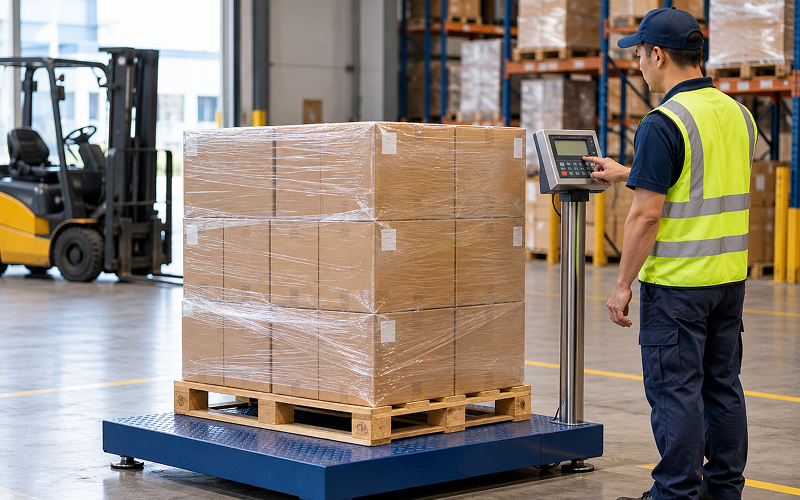
Pallet load stability testing evaluates whether unitised loads remain secure during handling, storage, and transportation. Even when individual cartons meet strength requirements, the pallet may still become unstable because of uneven weight distribution, inadequate securing methods, or repeated movement during transit.
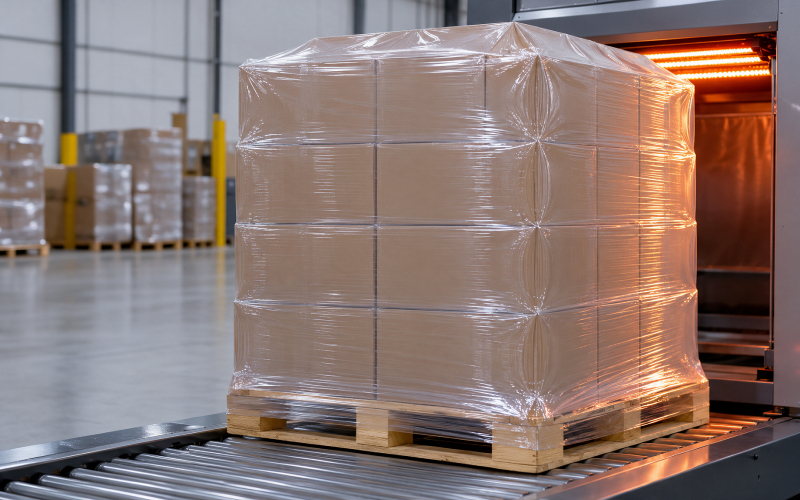
- Stretch-Wrap Performance: Testing stretch-wrap performance assesses whether the applied film provides sufficient containment force to keep cartons securely positioned throughout distribution. It can reveal film breakage, inadequate pallet anchoring, or movement between carton layers.
- Strap-Tension Retention: Assesses whether securing straps maintain adequate tension during vibration, compression, and load settling, helping identify necessary adjustments to strapping methods. For businesses handling heavy or irregularly shaped goods, the findings can help determine whether strap tension, placement, or securing methods require adjustment.
- Load Movement and Lean: Examines how palletised loads respond to transportation forces, identifying carton displacement, leaning, or instability. Findings help businesses improve their pallet packaging configuration.
How to Choose the Right Type of Packaging Test?
Selecting the right type of packaging test means matching each assessment to real operational risks. Consider the product’s characteristics, handling requirements, storage conditions, and potential failure points throughout the supply chain.
Matching Tests to Product Type and Fragility
Fragile goods may require impact and vibration testing, while liquids may need seal integrity assessments. Heavy products may require compression and pallet stability testing.
Assessing Supply Chain and Environmental Risks
Transport duration, handling frequency, warehouse conditions, and stacking arrangements influence which hazards deserve attention.
Prioritising Tests for Cost and Compliance
Testing priorities should reflect likely failure costs, customer specifications, and applicable regulatory requirements. This prevents unnecessary testing while ensuring critical risks receive appropriate attention.
How Packaging Testing Costs Work in Singapore
Packaging testing costs in Singapore depend on the testing methods, sample quantities, equipment requirements, and assessment complexity. Basic drop or compression tests generally cost less than comprehensive distribution simulations involving multiple assessments.
Businesses can manage expenses by prioritising tests based on recurring packaging failures, handling conditions, and product requirements. Clear testing objectives also help avoid unnecessary assessments.
Although testing involves upfront costs, identifying packaging weaknesses early can reduce product damage, returns, and operational delays. Using the findings to improve packaging design, equipment settings, and handling processes can deliver long-term cost savings.
Testing Packaging Against the Real Distribution Risk
The different types of packaging testing reveal distinct weaknesses, from impact damage and material failure to environmental exposure and unstable pallet loads. However, identifying a weakness is only the beginning. Businesses must also decide whether the solution lies in packaging materials, equipment settings, or changes to handling processes.
A more effective approach uses test findings alongside real-world operating conditions to identify improvements that address the underlying cause of failure. By considering packaging design, equipment performance, and distribution requirements together, businesses can strengthen product protection, reduce unnecessary material consumption, and maintain more consistent packaging performance across their operations.
About Sunstream Industries
Sunstream Industries provides material handling, packaging, and automation solutions tailored to businesses’ operational requirements. We distribute forklift attachments, stretch wrapping machines, case erectors, case sealers, drum handling equipment, slip sheets, container airbags and more. Our approach emphasises continuous improvement in quality, environmental management, and workplace safety and health.
Contact us to discuss packaging solutions suited to your operational requirements.
Frequently Asked Questions
1. What are the most common types of packaging testing?
Common packaging tests include drop and impact, vibration, compression, environmental, seal integrity, and pallet load stability testing. Each evaluates different risks encountered during storage, handling, and transportation. The appropriate tests depend on the product’s characteristics, packaging materials, and distribution conditions.
2. How often should businesses conduct packaging testing?
Packaging testing should be considered when introducing new products, changing packaging materials, adjusting packing processes, or modifying distribution requirements. Retesting may also be necessary when recurring product damage suggests existing packaging no longer performs adequately. The frequency depends on operational risks, customer specifications, and applicable industry requirements.
3. Can packaging testing help businesses reduce packaging costs?
Yes. Packaging testing can help businesses identify whether materials provide sufficient protection or exceed actual requirements. For example, testing may reveal that improving cushioning placement or pallet configuration is more effective than using thicker cartons or additional wrapping. These findings can support more efficient material usage while maintaining appropriate product protection.
November 11, 2026

 Sunstream Industries