Key Takeaways
- Net weight refers to the goods alone, while tare weight accounts for the pallet, container, and packaging materials.
- Incorrect tare values can affect inventory and shipping records, while equipment capacity assessments should account for the total loaded weight.
- Warehouse weighing processes should account for variations in pallet types, reusable containers, and packaging configurations.
Accurate weight measurement is essential for warehouse operations, particularly when shipments involve different pallet types, containers, and packaging materials. A recorded weight may represent the goods alone or include the materials used to contain and transport them. Failing to distinguish between these measurements can lead to inaccurate inventory records, freight calculations, and load-capacity assessments.
Understanding net weight vs tare weight allows warehouse teams to maintain reliable weight records and make informed handling and dispatch decisions. At Sunstream Industries, we help businesses improve weighing accuracy with the right equipment and efficient material-handling processes.
Net Weight vs Tare Weight: What Is the Difference?
Understanding the difference between net weight and tare weight is essential for accurate warehouse weighing, as each measurement serves a distinct operational purpose. From a material-handling perspective, the key question is whether the recorded weight reflects only the goods or includes packaging and handling materials.
Net Weight
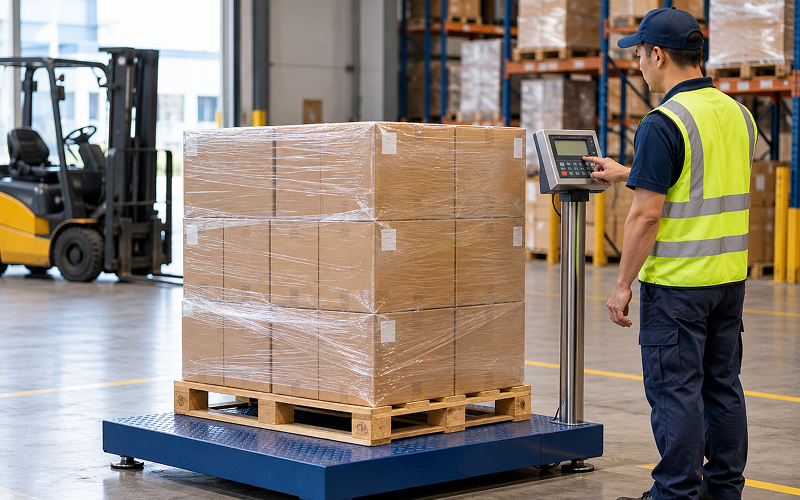
Net weight is the weight of the goods, excluding the pallet, container, carton, wrapping film, straps, and other packaging materials. It may be used to verify product quantities, monitor inventory, calculate production yield, or confirm how much saleable material is being shipped.
Tare Weight
Tare weight is the weight of the empty pallet, container, bin, drum, carton, or other packaging used to hold the goods. A tare value may be measured directly or selected from an approved preset. Using an incorrect tare value will also make the resulting net weight inaccurate.
How Is Net Weight Calculated?
Net Weight = Gross Weight − Tare Weight
Gross weight refers to the combined weight of the goods and their packaging or handling materials.
For example, a pallet loaded with packaged goods has a gross weight of 550 kg. If the pallet and packaging materials weigh 50 kg, the net weight of the goods is 500 kg.
Why Do Weight Measurements Matter in Warehousing?
From an operational perspective, net weight vs tare weight affects several decisions beyond basic record-keeping.
Inventory and Receiving Accuracy
For goods received or counted by weight, the net figure helps warehouse teams verify quantities without including pallets or containers. An incorrect tare value can affect inventory accuracy, particularly when businesses handle bulk materials, weighed products, or multiple batches.
Freight and Dispatch Planning
Gross weight is important for assessing vehicle loading and cargo distribution. Meanwhile, net and tare figures help teams determine whether differences originate from the goods or packaging. Accurate measurements also support consistent shipping documentation across warehouse and transport operations.
Equipment and Rack Capacity
Forklifts, pallet trucks, and storage racks must be able to support the total loaded weight. This includes pallets, reusable containers, and any additional protective packaging materials. Failing to account for these components can lead to inaccurate load assessments and increase the risk of exceeding equipment capacity.
How Should Warehouses Determine Tare Weight?
In practice, the appropriate weighing method depends on how consistently a warehouse uses the same handling units. Businesses should also consider variations in pallet weight, packaging configurations, and handling processes when deciding whether to measure tare weight directly or use preset values.
- Weigh Empty Pallets and Containers: Direct weighing suits timber pallets, reusable bins, and containers whose weight may vary because of moisture absorption, repairs, residue, or added fittings. This helps ensure tare values reflect the actual handling units used.
- Use Verified Preset Tare Values: Standardised warehouse operations can use approved preset values to improve efficiency. However, we advise reviewing these values whenever pallet types, carton specifications, or protective packaging materials change.
- Integrate Weighing Into Material Handling: A pallet truck with a weighing scale allows operators to measure loads during routine handling, reducing separate weighing activities. Proper zeroing, load positioning, and suitable weighing conditions remain essential for accurate measurements.
What Causes Weight Discrepancies in Warehouse Operations?
When assessing net weight vs tare weight, warehouse teams should consider operational variations before assuming that the weighing equipment is faulty. Based on our observations, differences in pallet types, packaging materials, and tare values can affect recorded weight even when the scale functions correctly.
Inconsistent Pallet and Packaging Weights
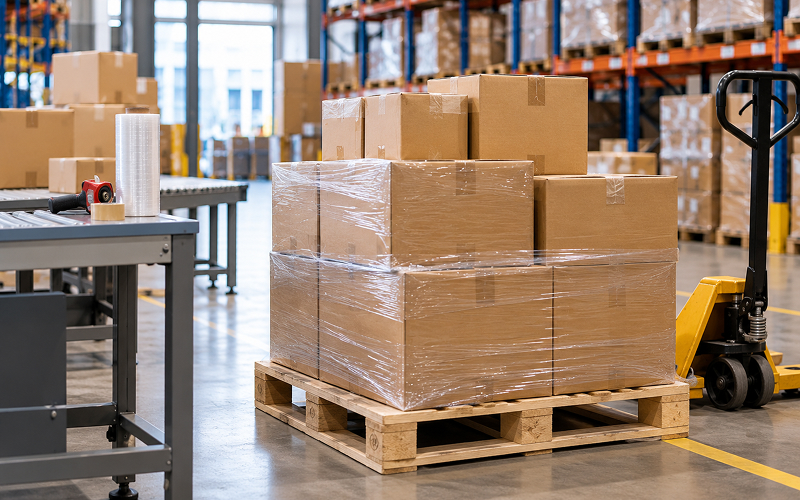
Different pallet materials, carton sizes, and protective packaging configurations can produce different tare weights. Changes to pallet packaging should be reflected in the weighing process, particularly when additional film, straps, or corner protection are introduced.
Reliance on Estimated Weights
Historical records and average product weights may support preliminary planning, but they do not always reflect the actual weight of individual shipments. This is particularly relevant in warehouses handling mixed products, varying packaging configurations, or goods with inconsistent unit weights. Relying on estimates without verification may cause small inaccuracies to accumulate across multiple pallets, resulting in a significant weight discrepancy.
Incorrect Weight Declarations
Under-declaration can affect capacity planning and compliance, while over-declaration may lead to unnecessary freight costs or operational checks. Warehouse teams should also distinguish between cargo gross weight and verified container mass, as these serve different purposes.
Incomplete Verification Records
Without identifiable load references, tare values, weighing dates, and equipment records, investigating discrepancies becomes more difficult. We recommend using digital records to trace measurements and reduce repeated manual verification.
What Are Singapore’s Cargo Weight Requirements?
The regulatory implications of net weight vs tare weight depend on the shipment type, transport method, and applicable documentation requirements. From a warehouse operations perspective, it is important to distinguish between the weight required for internal inventory records and the figures used for customs declarations, container verification, and cargo handling, as these may follow different requirements.
SOLAS Verified Gross Mass
Under SOLAS Regulation VI/2, packed export containers require a verified gross mass (VGM) before vessel loading. The shipper must provide the verified figure. VGM may be established by weighing the packed container or through an approved calculation method incorporating cargo, packaging, securing materials, and container tare mass.
Customs and Dangerous Goods Documentation
Singapore import and export processes require applicable declarations and supporting documents. Dangerous goods transported through Singapore’s port must also comply with relevant Maritime and Port Authority of Singapore requirements and the International Maritime Dangerous Goods Code. Accurate weight information supports cargo verification, handling decisions, and regulatory compliance.
What Are the Financial Consequences of Incorrect Weight Records?
Inaccurate weight records can add costs throughout warehouse and shipping operations, even without regulatory penalties. Beyond freight calculations, discrepancies may disrupt handling processes, delay deliveries, and increase administrative workloads. For businesses managing high shipment volumes, these costs can add up and reduce overall operational efficiency.
- Re-Weighing and Operational Delays: Incorrect weight records may require additional verification, increasing handling, labour, and administrative costs.
- Missed Loading or Delivery Schedules: Missing or incorrect VGM declarations can delay container loading, resulting in missed shipping schedules and additional costs.
- Insurance and Claims Complications: Inaccurate weight declarations can complicate investigations involving cargo damage, equipment overloading, or accidents.
- Reduced Operational Efficiency: Repeated discrepancies increase administrative workload and affect inventory reliability, freight planning, and warehouse productivity.
Improving Warehouse Weighing Accuracy With Sunstream Industries
Reliable weight verification requires more than accurate weighing equipment. In warehouse operations, the suitability of a weighing solution depends on factors such as load characteristics, handling frequency, available space, and how weight data is recorded. A system that works well for standardised pallet loads may not suit operations with varying container sizes or frequent packaging changes.
Working with a reliable material-handling solutions provider can help businesses identify suitable packaging machines and weighing equipment and integrate them into existing warehouse workflows. This supports more consistent weight measurements, reduces unnecessary handling, and improves efficiency across receiving, storage, and dispatch operations.
About Sunstream Industries
Sunstream Industries provides material handling, warehouse automation, packaging, and mobile weighing solutions to help businesses run more efficiently. By integrating weighing into the normal flow of goods, we help businesses reduce unnecessary handling, improve the consistency of weight recording, and support more reliable warehouse and dispatch operations.
Contact us to explore weighing and material-handling solutions suited to your warehouse operations.
Frequently Asked Questions
1. Is tare weight always the same for every pallet?
No. Tare weight varies depending on pallet material, dimensions, condition, and additional packaging. Reusable pallets may also change in weight over time.
2. Can net weight be calculated without weighing the goods separately?
Yes. Net weight can be calculated by subtracting an accurate tare value from the measured gross weight. However, an incorrect tare value will affect the result.
3. Should warehouse equipment capacity be based on net or gross weight?
Equipment capacity assessments should consider the total loaded weight, including goods, pallets, containers, and packaging materials.
November 11, 2026



 Sunstream Industries