
Introduction
If your warehouse is using more boxes than planned, packing lines slow down during peak periods, or damaged goods continue to occur despite additional protection, these are not isolated problems. They are signs of operational waste built into everyday packing processes. In Singapore’s logistics environment, where manpower costs are high and warehouse space is limited, these inefficiencies quickly translate into higher operating expenses.
Operational waste goes beyond discarded packaging materials alone. Excess boxes, unnecessary cushioning, repeated rework, and inefficient workflows all increase labour time, storage requirements, and transportation costs. Over time, these hidden inefficiencies affect delivery performance, customer satisfaction, and your ability to scale operations. This is why waste reduction is not just a cost-saving exercise, but a critical operational strategy that directly impacts profitability and efficiency across the supply chain.
This article examines how businesses can reduce operational waste through innovative and practical packing strategies. It outlines the most common sources of waste in packaging, explains how these inefficiencies affect supply chain performance, and introduces proven methods to improve packing efficiency.
Key Takeaways
|
By the end of this guide, you will have a clear understanding of how to implement waste reduction strategies that lower costs, streamline packing operations, and support long-term sustainability in today’s demanding logistics environment.
What Are the Most Common Sources of Operational Waste in Packaging?
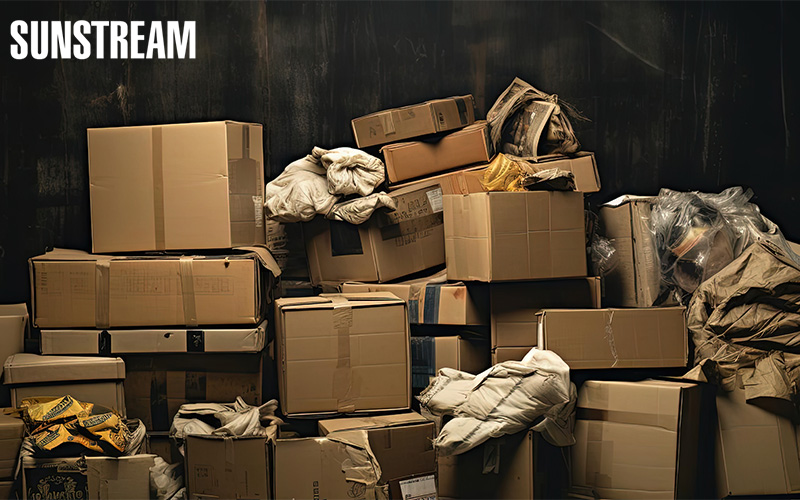
Before we explore innovative solutions for your entire supply chain, let’s first examine where operational waste originates. In packaging operations, waste is rarely caused by a single factor; it usually stems from inefficient material usage, improper packing practices, and suboptimal workflows. Understanding these sources is essential for reducing costs, improving efficiency, and creating a more sustainable supply chain.
-
Excessive Packaging Materials
Overuse of packaging materials is one of the most visible forms of waste. Many packing teams default to oversized boxes, multiple layers of tape, or extra cushioning to prevent damage. While this approach may appear safer, it significantly increases material costs and disposal needs. In Singapore, where warehouse space is limited, storing excess materials can also reduce operational efficiency. Standardising material usage, conducting regular packaging audits, and training staff to apply the right amount of tape, filler, and cushioning can significantly support waste reduction without compromising product protection.
-
Incorrect Sizing
Improperly sized boxes and pallets are another common contributor to operational waste. Oversized packaging creates voids, which are typically filled with extra cushioning to prevent movement during transport. These voids increase material consumption and reduce storage and shipping efficiency. Poorly sized packages take up unnecessary warehouse space and drive up shipping costs due to wasted cubic volume. Adopting right-sizing practices and modular packaging systems ensures materials match product dimensions, eliminating voids and supporting waste reduction.
-
Damaged Goods
Damaged goods are a costly and often hidden form of waste. Inadequate packaging, inconsistent processes, or improper handling can result in breakages, returns, or replacements. Each incident consumes additional labour, material, and transport resources while delaying deliveries. Improving protective measures, standardising packing procedures, and monitoring handling practices help damage-related waste reduction and safeguard both costs and customer satisfaction.
-
Inefficient Workflows
Manual packing methods without clear standards are slower and more prone to errors, which increases labour costs and material wastage. Poorly designed workstations and inconsistent line layouts or uncoordinated workflows reduce throughput, create bottlenecks during peak periods, and generate inconsistencies that require rework. Streamlining workflows through layout optimisation, process standardisation, and operator training boosts productivity and helps minimise operational waste.
-
Overstocking Packaging Consumables
Excess stock of packaging consumables, such as cartons, tapes, and fillers, is another hidden waste source. Overstocking ties up capital, occupies valuable warehouse space, and increases the risk of materials becoming obsolete or damaged. Using demand-driven inventory planning and monitoring usage patterns ensures materials are available when needed without creating unnecessary waste.
By identifying these common sources of operational waste, businesses can address inefficiencies at the root. Targeted strategies for materials, sizing, protection, workflow design, and inventory management provide the foundation for waste reduction while improving efficiency and cutting costs.
How Does Waste Impact Your Supply Chain Efficiency?

Now that we’ve identified the most common sources of operational waste, it’s crucial to consider how these inefficiencies ripple across the entire supply chain. Operational waste doesn’t just inflate material costs; it affects storage, handling, shipping, and overall workflow efficiency. Let’s break it down further.
1. Higher Storage Costs
Excess packaging materials, oversized boxes, and unnecessary cushioning occupy valuable storage space, particularly in Singapore’s limited warehouse facilities. Overcrowded shelves slow down inventory management, picking, and packing processes, leading to reduced throughput and higher labour costs. This makes even small inefficiencies expensive and highlights the importance of strategic waste reduction.
2. Longer Packing Times
Manual, inconsistent workflows and poorly organised packing stations extend packing times. Employees spend more time handling materials, adjusting improperly sized boxes, or fixing errors caused by damaged goods. These inefficiencies limit order processing capacity during peak periods, reduce overall productivity, and can strain labour resources. Streamlining workflows is therefore critical for minimising operational waste.
3. Increased Transportation Costs
Packages that are larger than necessary or improperly packed consume more cubic space and often weigh more than required, driving up freight costs. Damaged goods also result in returns and replacements, creating additional transport and administrative expenses. By reducing waste in packaging, businesses can avoid unnecessary transportation costs and improve overall cost predictability.
4. Risk of Product Damage
Inadequate protection increases the likelihood of products being damaged during storage or transit. Each damaged item represents not only lost materials but also extra labour, shipping, and administrative overhead. Frequent product damage undermines profitability and reduces customer satisfaction, highlighting another hidden cost of operational waste.
5. Environmental Impact
Excess or inefficient packaging materials contribute to a larger environmental footprint. Businesses that do not optimise packing may struggle to meet sustainability standards or customer expectations, while also generating higher disposal costs. Focusing on waste reduction not only improves operational efficiency but also supports environmental responsibility and long-term cost savings.
By understanding the full impact of operational waste, from storage and labour to shipping, product safety, and environmental compliance, businesses can recognise why reducing inefficiencies is critical to maintaining a lean, cost-effective, and sustainable supply chain.
What Are Innovative Packing Methods That Actually Work?

With the sources and impacts of operational waste clear, it’s time to explore innovative packing methods that can help businesses reduce inefficiencies while improving cost-effectiveness and product protection. Effective strategies focus on minimising excess material, optimising workflow, and supporting sustainability, key components of any comprehensive waste reduction approach.
1. Right-Sizing Boxes and Materials
Right-sizing is one of the simplest yet most impactful ways to reduce operational waste. By matching box dimensions precisely to product sizes, businesses can minimise void space, reducing the need for additional cushioning or filler materials. This not only lowers material costs but also improves storage and shipping efficiency, as more items fit into pallets, shelves, and shipping containers. Right-sizing is particularly important in Singapore’s compact warehousing environment, where optimising space translates directly into financial savings and operational efficiency.
2. Modular Packaging Solutions
Modular packaging offers flexibility for businesses handling products of different sizes. Instead of stocking multiple box types, modular solutions can be adjusted to fit a variety of items. This reduces the need for excessive packaging materials and simplifies inventory management, contributing directly to waste reduction efforts. Modular systems also speed up packing, as staff spend less time searching for the right box or modifying packaging during order fulfilment.
3. Automated Wrapping, Stretch Wrapping, and Strapping Systems
Automation plays a key role in reducing packing inefficiencies. Automated systems apply consistent tension and coverage, whether using a wrapping machine or a strapping machine, reducing human error and preventing overuse of materials. These systems not only protect products more reliably but also streamline workflows, allowing staff to focus on higher-value tasks. Over time, automated packing solutions contribute to substantial waste reduction, as fewer materials are used per shipment and product damage decreases.
4. Reusable or Recyclable Materials
Finally, choosing reusable or recyclable materials is an essential strategy for sustainable operations. Corrugated boxes, biodegradable fillers, and reusable pallets can be employed multiple times or recycled at the end of their lifecycle. This approach reduces long-term waste, lowers disposal costs, and enhances brand reputation among environmentally conscious clients, all while supporting ongoing waste reduction initiatives.
With these strategies, businesses can create a packaging process that is efficient, cost-effective, and environmentally responsible, laying the groundwork for long-term waste reduction across the supply chain.
How Can Technology Help Minimise Operational Waste?
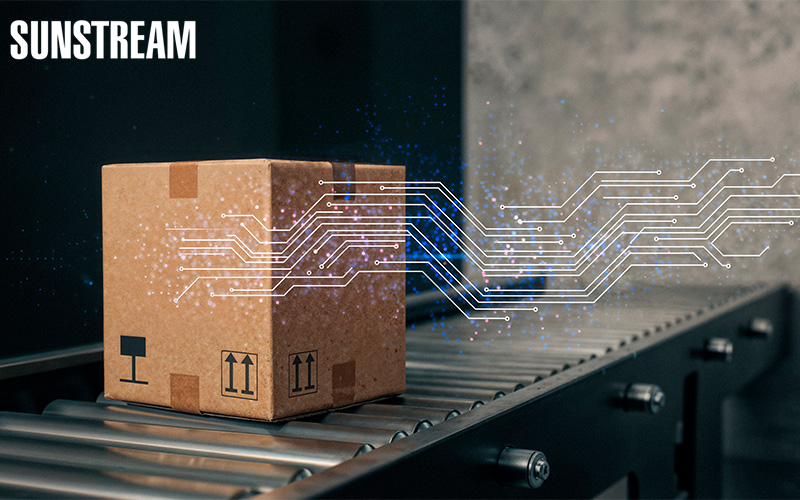
Technology has transformed the way logistics operations are managed, and the same principles apply to packaging and material handling. By leveraging the right technology, businesses can streamline processes, improve accuracy, and significantly reduce unnecessary waste.
Here’s how.
1. Packaging Software
Modern packaging software can determine the precise box dimensions and material quantities required for each product. By reducing overuse of cartons, tapes, and fillers, these tools directly contribute to waste reduction while improving storage and shipping efficiency. In Singapore, where warehouse space and logistics costs are high, software-driven optimisation ensures materials are used efficiently without compromising product protection. This approach also helps reduce human error, as staff no longer need to manually estimate packing requirements.
2. IoT Sensors and Data Analytics Dashboards
IoT-enabled systems and analytics dashboards allow businesses to track material usage in real time. Sensors monitor how much tape, filler, or wrapping is applied per package, while dashboards highlight workflow bottlenecks and recurring inefficiencies. Insights from these tools support continuous waste reduction by identifying areas where materials are consistently overused or packing steps can be improved. For businesses scaling operations, this data is invaluable for maintaining consistent, efficient processes across multiple packing lines.
3. AI-Powered Machines and Integrated Packing Lines
Advanced AI-powered machines can automatically adjust wrapping, stretch wrapping, and strapping based on product size, weight, and fragility. These systems improve consistency, protect goods more reliably, and reduce material overuse. Integrated packing lines synchronise equipment to maintain smooth, waste-efficient operations, while predictive maintenance prevents downtime and reduces material waste caused by malfunctioning machinery. Introducing a packaging machine at strategic points in the line can further streamline repetitive tasks, ensuring minimal errors and optimal material use.
4. Semi-Automated Solutions
Even small and mid-sized businesses can benefit from semi-automated solutions. Modular, semi-automated packing equipment, or automated packaging systems, allows companies to scale operations while maintaining efficiency and controlling material usage. These tools reduce labour dependency, standardise packing quality, and reinforce long-term waste reduction efforts.
By integrating software, sensors, AI, and automation into packing operations, businesses gain visibility, consistency, and control over material usage. This enables measurable waste reduction, lowers operational costs, and supports more sustainable, efficient logistics practices.
Frequently Asked Questions
1. How can small businesses implement automated wrapping and strapping systems without a huge upfront investment
Small businesses can start with semi-automated or modular systems that require lower capital but still improve efficiency. Leasing equipment or opting for pay-per-use solutions is another cost-effective approach. Gradually scaling up as operational needs grow allows businesses to benefit from automation without overspending.
2. Are sustainable or recyclable packing materials more expensive than conventional options?
While some eco-friendly materials may have a slightly higher upfront cost, they often save money in the long run by reducing waste, lowering disposal costs, and improving operational efficiency. Additionally, adopting sustainable packaging can enhance brand reputation and meet growing consumer demand for environmentally responsible practices.
3. Can using automated wrapping, stretch wrapping, and strapping systems affect product safety during shipping?
When properly calibrated, these systems actually increase product safety. Automated equipment applies consistent tension and coverage, reducing the risk of damaged goods compared to manual methods. Regular maintenance and operator training ensure that products remain secure while minimising material waste.
Conclusion
Operational waste in packaging isn’t just about discarded boxes or extra cushioning, it quietly drives up costs, slows workflows, and affects supply chain efficiency. From inefficient use of materials and incorrect sizing to damaged goods and overstocked consumables, every small inefficiency adds up, making waste reduction a critical focus for any business.
Implementing innovative packing strategies can make a real difference. Right-sizing boxes and materials reduces void space, modular packaging solutions adapt to different product sizes, and reusable or recyclable materials support sustainability while lowering long-term costs. Automation through wrapping, stretch wrapping, and strapping systems ensures consistent, secure packing, reduces manual labour, and minimises material waste. Together, these strategies help businesses optimise storage, improve shipping efficiency, and safeguard product quality, all while reducing operational costs.
So, if you are looking to streamline your packaging operations and achieve measurable waste reduction, Sunstream Industries can help. With expertise in innovative packing solutions, automated systems, and sustainable materials, our team provides tailored strategies to enhance efficiency, cut costs, and support environmentally responsible practices.
Contact Sunstream Industries today to transform your packing processes, reduce operational waste, and improve overall supply chain performance.
January 28, 2026



 Sunstream Industries